




Commercial LED Stadium and Sports Lighting
By LED Lighting Supply
- Achieve 50%-70% energy reduction with 50,000+ hour lifespans
- Instant-on operation eliminates 15-20 minute metal halide delays
- IP66 weatherproof and IK08 impact ratings ensure durability


-
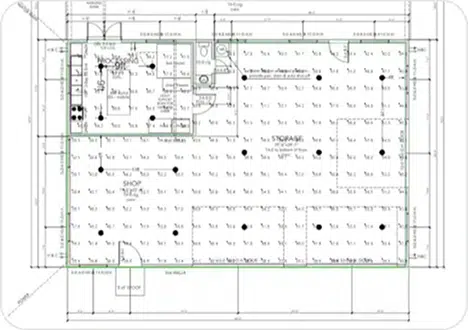
 Professional Layout Designed for Sport-Specific Light Levels, Uniformity & Glare Control
-
Precise Fixture Count, Aiming Angles & Photometric Calculations for Competition Standards
-
Maximize Energy Savings While Meeting League Requirements & Reducing Spill Light
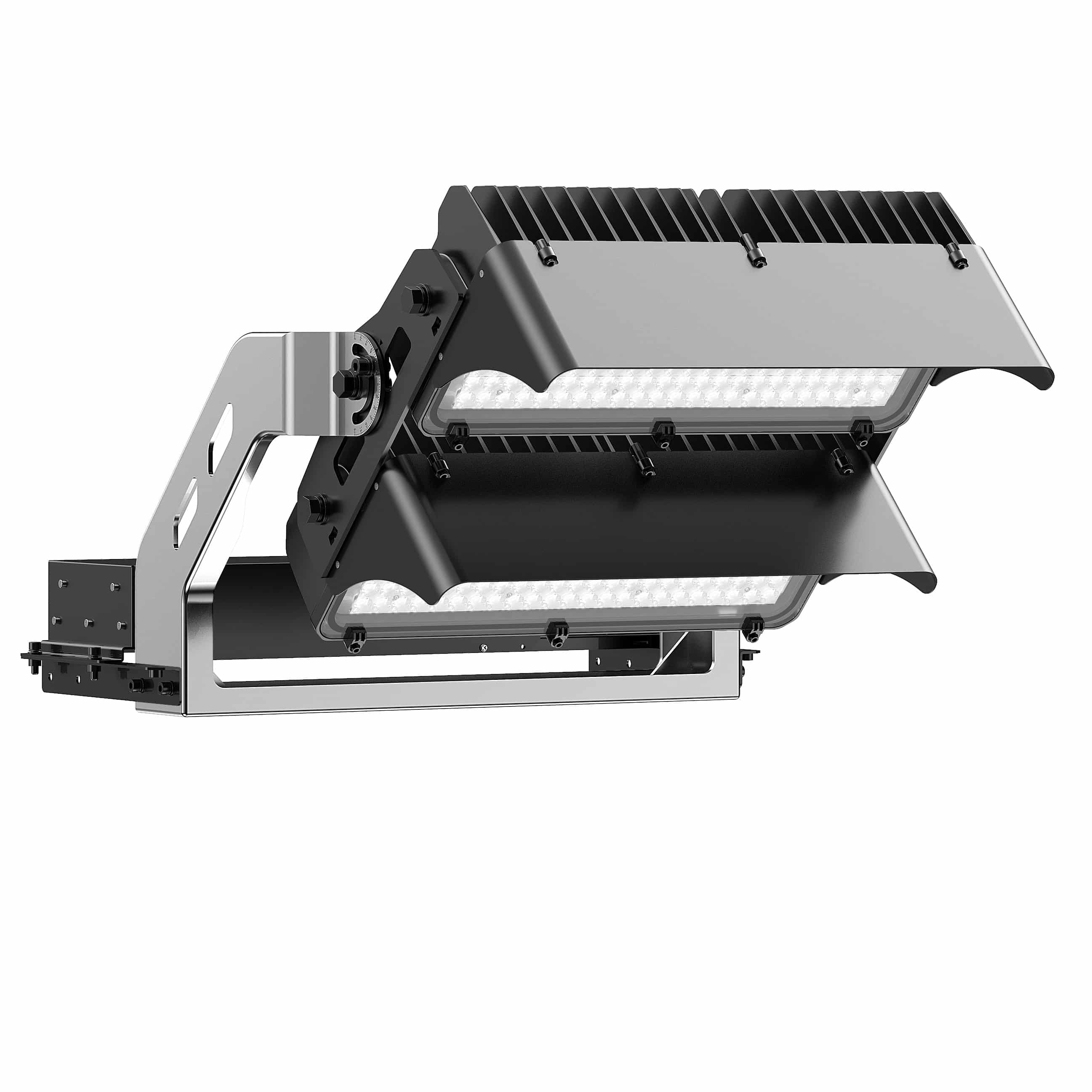
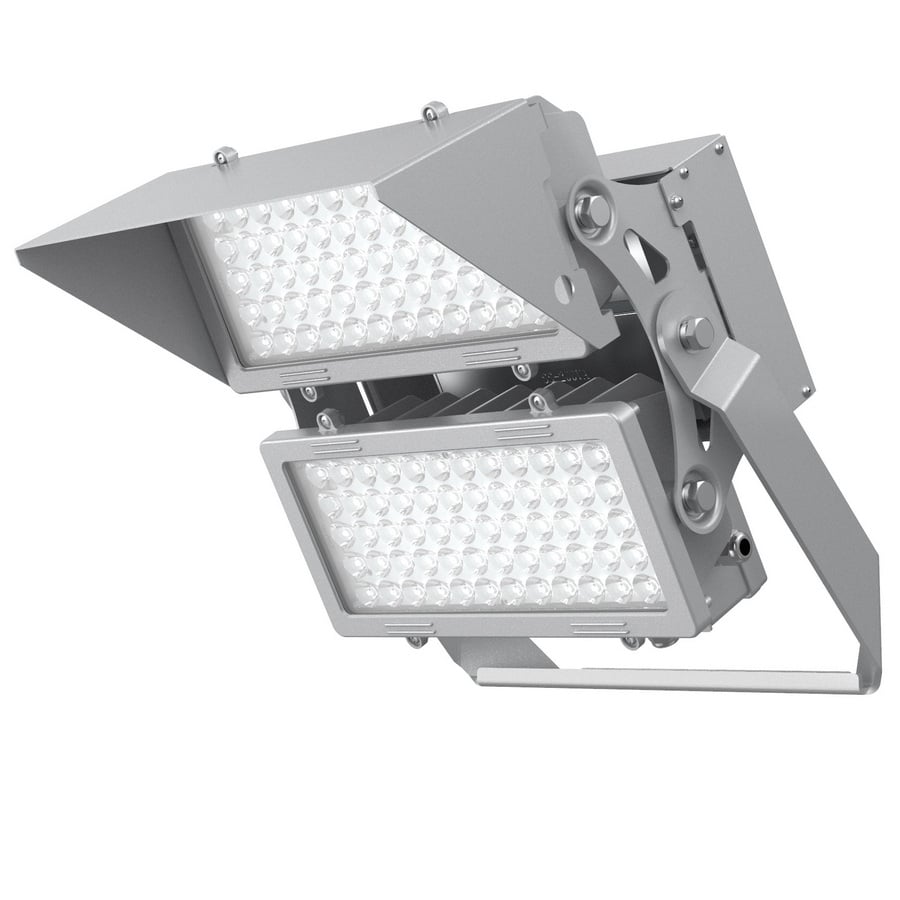
Showing all 10 results
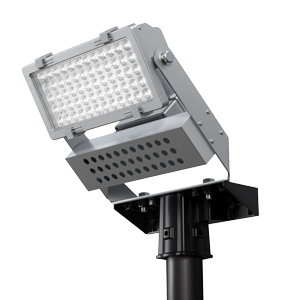
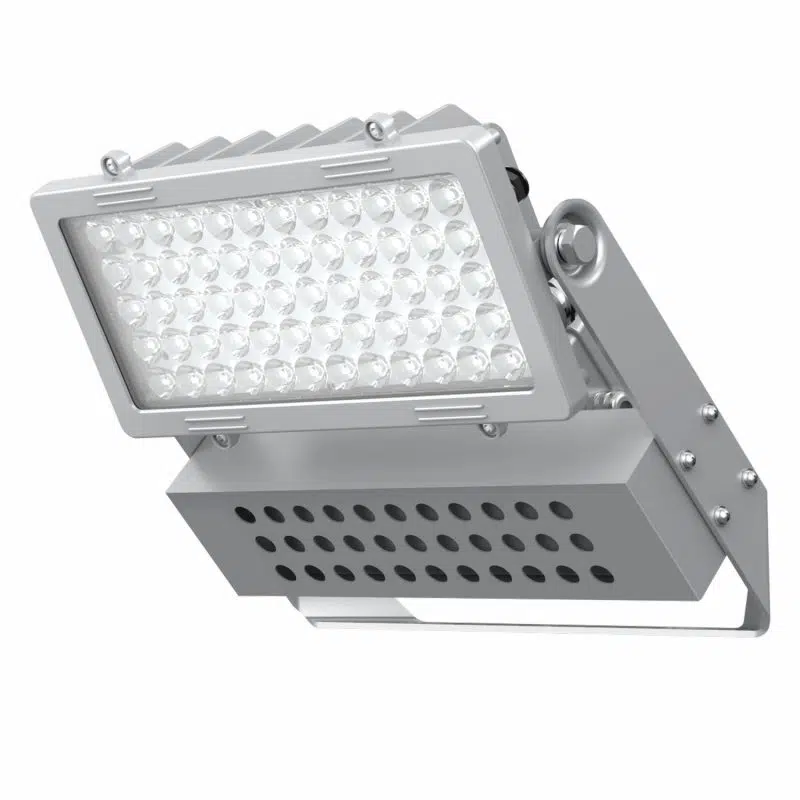 SKU:MLLG-AG-LED-IMF-200-5-[Optic]-TR-[V] | Web ID:1653100V-277V Standard Finish:240 In StockShips 2-3 Days277V-480V Standard Finish:Built to Order 8 Weeks100V-277V Marine Grade:Built to Order 8 Weeks
- Watts: 200
- Lumens: 28000
- Lumens/Watt: 140
- Replaces: 400 Watt Metal Halide
- Color Temp: 4000K | 5000K
- CRI: 70+
- IP Rating: IP66
- IK Rating: IK08
- Voltage: 100V-277V | 277V-480V
- Surge Protection: 6kV line-line, 10kV line-earth
- Operating Temp: -22°F to 113°F (-30°C to 45°C)
- Rated Life: 176,000 (L70) hours
- Dimmable: 1-10V
- Beam Angle: 60°(std), 10°, 15°, 30°, 45°, 40*100°
- Optics: Polycarbonate Optics and Tempered Glass Lens
- Housing: Powder Coated Aluminum
- Fixture Color: Gray
- Mount: Slip Fitter | Trunnion
- EPA Rating: 1.36
- Dimensions: 12 in L x 4.7 in W x 12.7 in H
- Cord Length: 5 Feet
- Weight: 13 lbs
Starting At$294.17

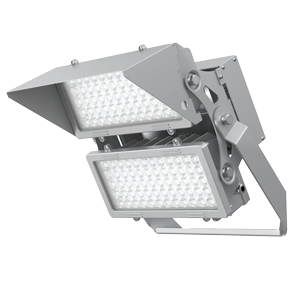
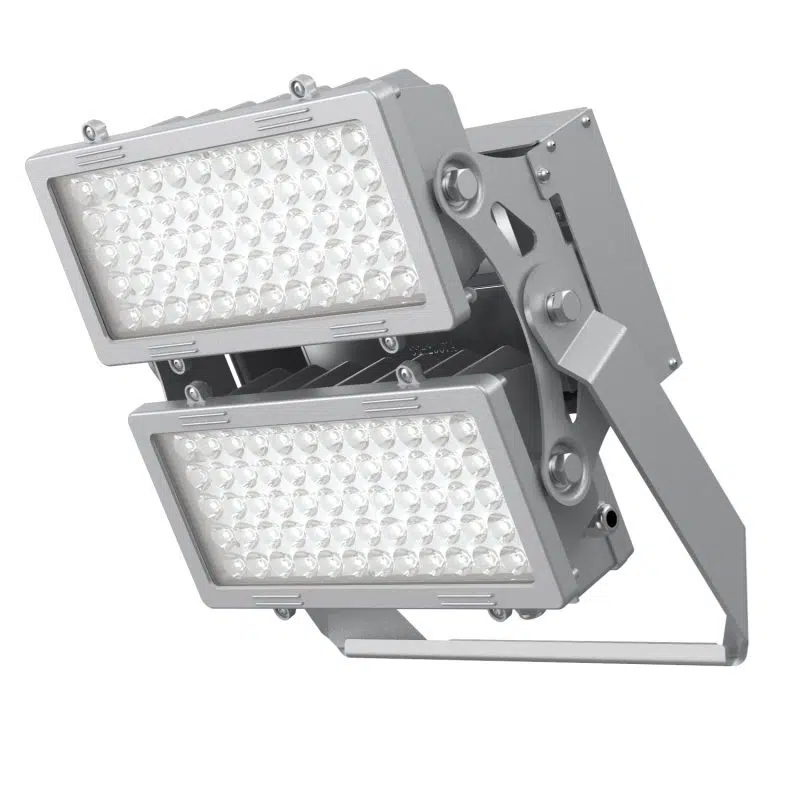 SKU:MLLG-AG-LED-IMF-400-5-[Optic]-TR-[V] | Web ID:1654100V-277V Standard Finish:189 In StockShips 2-3 Days277V-480V Standard Finish:119 In StockShips 2-3 Days100V-277V Marine Grade:Built to Order 8 Weeks
- Watts: 400
- Lumens: 56000
- Lumens/Watt: 140
- Replaces: 1000 Watt Metal Halide
- Color Temp: 4000K | 5000K
- CRI: 70+
- IP Rating: IP66
- IK Rating: IK08
- Voltage: 100V-277V | 277V-480V
- Surge Protection: 6kV line-line, 10kV line-earth
- Operating Temp: -22°F to 113°F (-30°C to 45°C)
- Rated Life: 176,000 (L70) hours
- Dimmable: 1-10V
- Beam Angle: 60°(std), 10°, 15°, 30°, 45°
- Optics: Polycarbonate Optics and Tempered Glass Lens
- Housing: Powder Coated Aluminum
- Fixture Color: Gray
- Mount: Slip Fitter | Trunnion
- EPA Rating: 1.89
- Dimensions: 13.25 in L x 6.3 in W x 17.4 in H
- Cord Length: 5 Feet
- Weight: 24 lbs
Starting At$564.42![Mllg Ag Led Imf 600 5 [optic] Tr [v]](jpg/mllg-ag-led-imf-600-5-optic-tr-v-1-800x800.jpg) SKU:MLLG-AG-LED-IMF-600-5-[Optic]-TR-[V] | Web ID:1655100V-277V:8 In StockShips 2-3 Days277V-480V:75 In StockShips 2-3 Days
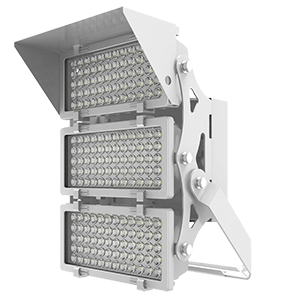
SKU:MLLG-AG-LED-IMF-600-5-[Optic]-TR-[V] | Web ID:1655100V-277V:8 In StockShips 2-3 Days277V-480V:75 In StockShips 2-3 Days- Watts: 600
- Lumens: 84000
- Lumens/Watt: 140
- Replaces: 1500 Watt Metal Halide
- Color Temp: 4000K | 5000K
- CRI: 70+
- IP Rating: IP66
- IK Rating: IK08
- Voltage: 100V-277V | 277V-480V
- Surge Protection: 6kV line-line, 10kV line-earth
- Operating Temp: -22°F to 113°F (-30°C to 45°C)
- Rated Life: 176,000 (L70) hours
- Dimmable: 1-10V
- Beam Angle: 60°(std), 10°, 15°, 30°, 45°
- Optics: Polycarbonate Optics and Tempered Glass Lens
- Housing: Powder Coated Aluminum
- Fixture Color: Gray
- Mount: Slip Fitter | Trunnion
- EPA Rating: 2.3
- Dimensions: 13.19 in L x 6.42 in W x 22.13 in H
- Cord Length: 5 Feet
- Weight: 38 lbs
Starting At$686.09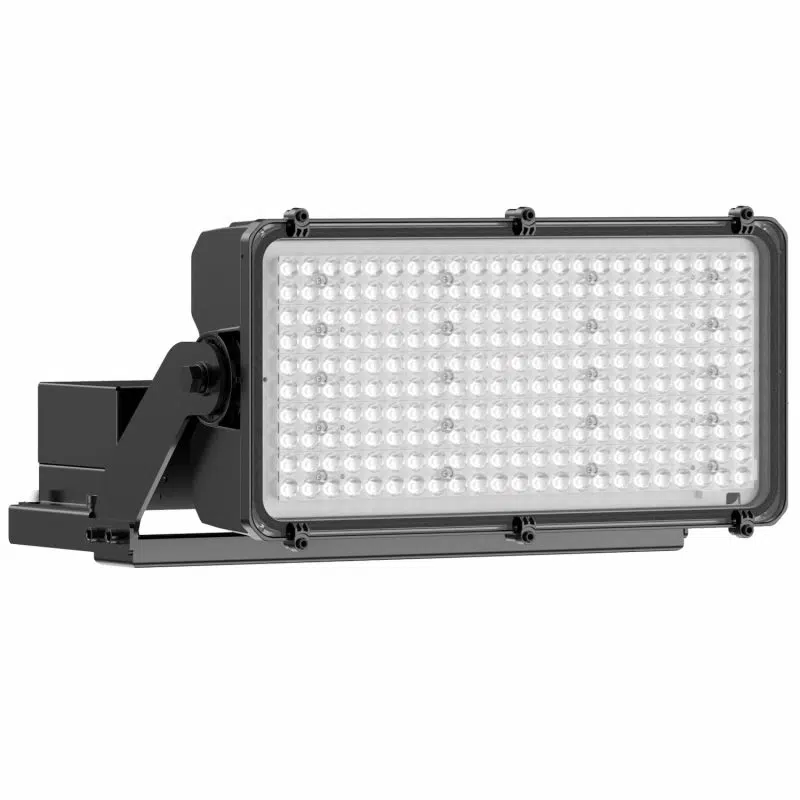 SKU:MLLG-LED-HPSL-400-57-60-[F] | Web ID:2092100V-277V Standard Finish:404 In StockShips 2-3 Days277V-480V Standard Finish:Built to Order 8 Weeks100V-277V Marine Grade:Built to Order 8 Weeks277V-480V Marine Grade:Built to Order 8 Weeks
- Watts: 400
- Lumens: 60000
- Lumens/Watt: 150
- Replaces: 1000 Watt Metal Halide
- Color Temp: 3000K | 4000K | 5700K
- CRI: 80+
- IP Rating: IP66
- IK Rating: IK08
- Voltage: 100V-277V | 277V-480V
- Surge Protection: 10KV line-line, 20KV line-earth
- Operating Temp: -22°F to 122°F (-30°C to 50°C)
- Rated Life: 200,000 (L70) hours
- Dimmable: 0-10V
- Beam Angle: 60°(std), 10°, 30°, 45°, T3
- Optics: Polycarbonate Lens
- Housing: Powder Coated Aluminum
- Fixture Color: Black
- Mount: Trunnion
- EPA Rating: 1.35
- Dimensions: 18.8 in W in X 11.2 in H X 7.3 in D
- Cord Length: 4 Feet
- Weight: Fixture body 14 lbs Driver Box 8 lbs
Starting At$551.76- SKU:MLLG-LED-HPSL-600-57-60-[F] | Web ID:2093100V-277V Standard Finish:43 In StockShips 2-3 Days277V-480V Standard Finish:Built to Order 8 Weeks100V-277V Marine Grade:Built to Order 8 Weeks277V-480V Marine Grade:Built to Order 8 Weeks
- Watts: 600
- Lumens: 90000
- Lumens/Watt: 150
- Replaces: 1500 Watt Metal Halide
- Color Temp: 3000K | 4000K | 5700K
- CRI: 80+
- IP Rating: IP66
- IK Rating: IK08
- Voltage: 100V-277V | 277V-480V
- Surge Protection: 10KV line-line, 20KV line-earth
- Operating Temp: -22°F to 122°F (-30°C to 50°C)
- Rated Life: 200,000 (L70) hours
- Dimmable: 0-10V
- Beam Angle: 60°(std), 10°, 30°, 45°, T3
- Optics: Polycarbonate Lens
- Housing: Powder Coated Aluminum
- Fixture Color: Black
- Mount: Trunnion
- EPA Rating: 1.35
- Dimensions: 18.8 in W in X 11.2 in H X 7.3 in D
- Cord Length: 4 Feet
- Weight: Fixture body 17.2 lbs Driver Box 10.4 lbs
Starting At$697.84 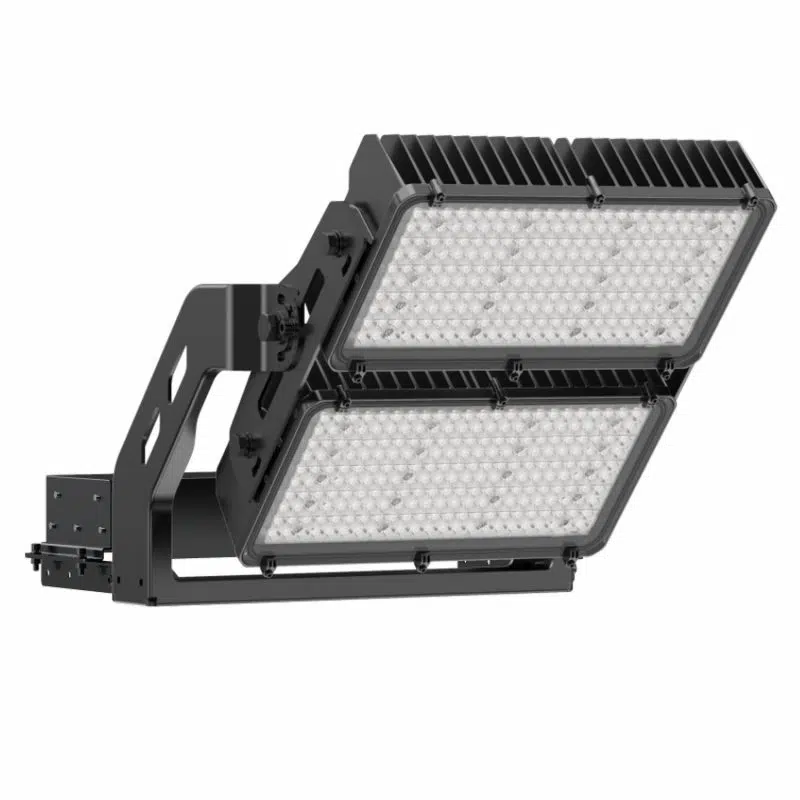 SKU:MLLG-LED-HPSL-800-57-60 | Web ID:2009Built to Order 8 Weeks
- Watts: 800
- Lumens: 120000
- Lumens/Watt: 150
- Replaces: 1500 Watt Metal Halide
- Color Temp: 3000K | 4000K | 5700K
- CRI: 80+
- IP Rating: IP66
- IK Rating: IK08
- Voltage: 100V-277V | 277V-480V Optional
- Surge Protection: 10KV line-line, 20KV line-earth
- Operating Temp: -22°F to 122°F (-30°C to 50°C)
- Rated Life: 200,000 (L70) hours
- Dimmable: 0-10V
- Beam Angle: 60°(std), 10°, 30°, 45°, T3
- Optics: Polycarbonate Lens
- Housing: Powder Coated Aluminum
- Fixture Color: Black
- Mount: Trunnion
- EPA Rating: 1.92
- Dimensions: 20 X 17 X 9.2 in
- Weight: Fixture: 30.2 lbs Driver Box: 12 lbs
Starting At$1,327.18- SKU:MLLG-LED-HPSL-1200-57-60 | Web ID:2011Built to Order 8 Weeks
- Watts: 1200
- Lumens: 180000
- Lumens/Watt: 150
- Replaces: 2000 Watt Metal Halide
- Color Temp: 3000K | 4000K | 5700K
- CRI: 80+
- IP Rating: IP66
- IK Rating: IK08
- Voltage: 100V-277V | 277V-480V Optional
- Surge Protection: 10KV line-line, 20KV line-earth
- Operating Temp: -22°F to 122°F (-30°C to 50°C)
- Rated Life: 200,000 (L70) hours
- Dimmable: 0-10V
- Beam Angle: 60°(std), 10°, 30°, 45°, T3
- Optics: Polycarbonate Lens
- Housing: Powder Coated Aluminum
- Fixture Color: Black
- Mount: Trunnion
- EPA Rating: 2.68
- Dimensions: 20 in W in X 22.5 in H X 11.3 in D
- Weight: Fixture body 42 lbs Driver Box 14.5 lbs
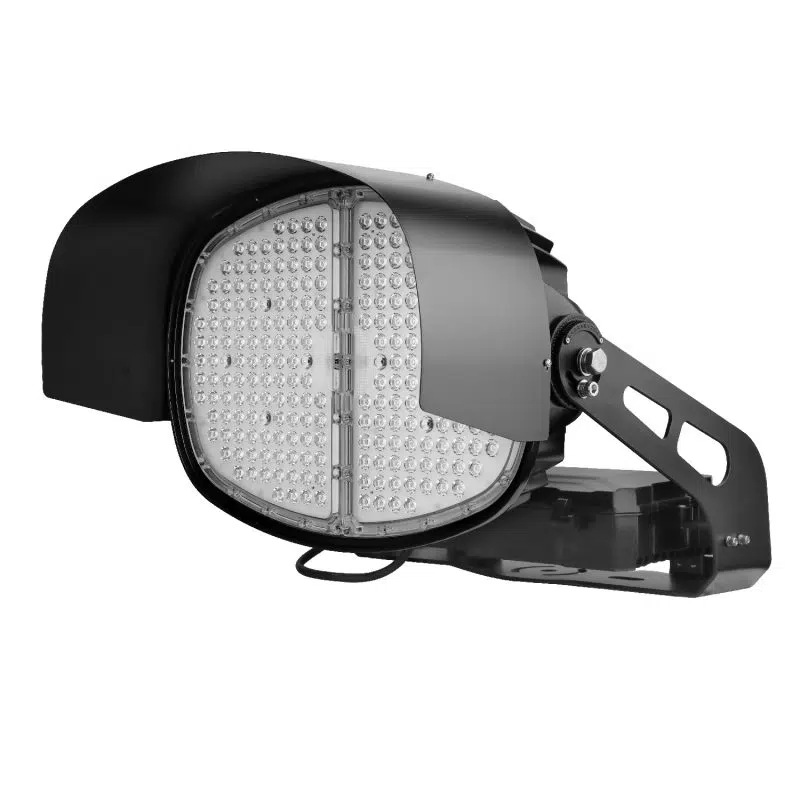
Starting At$1,635.42 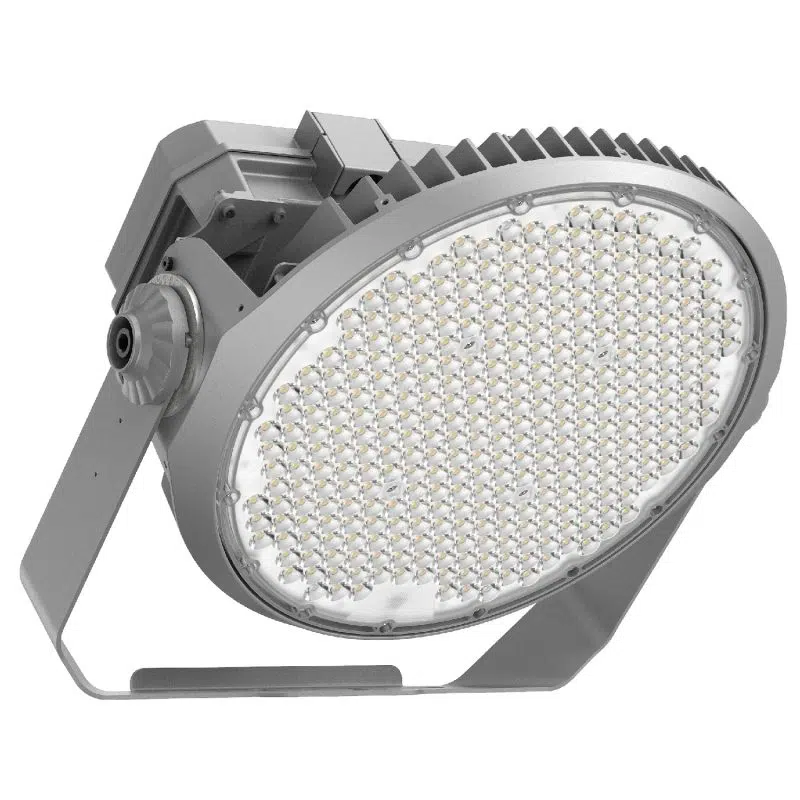 SKU:LLS-RSL-600A-50-60-[V]-TR | Web ID:2569100V-277V:Built to Order 6 Weeks200V-480V:Built to Order 6 Weeks
- Watts: 400 | 500 | 600
- Lumens: 68000 | 85000 | 105000
- Lumens/Watt: 170
- Replaces: 1500 Watt Metal Halide
- Color Temp: 5000K
- CRI: 80+
- IP Rating: IP66
- IK Rating: IK08
- Voltage: 100V-277V | 200V-480V
- Surge Protection: 10KV line-line, 20KV line-earth
- Operating Temp: -22°F to 122°F (-30°C to 50°C)
- Rated Life: 200,000 (L70) hours
- Dimmable: 0-10V
- Beam Angle: 60°(std), 15°, 45°, 30°
- Optics: Polycarbonate Lens
- Housing: Powder Coated Aluminum
- Fixture Color: Gray
- Mount: Trunnion
- Dimensions: 16.77 x 19.29 x 11.46
- Weight: 34 lbs
Starting At$988.26
 SKU:LLS-X-OSL-600-57-[Optic]-[V] | Web ID:2501100V-277V:80 In StockShips 3-5 Days277V-480V:128 In StockShips 3-5 Days
- Watts: 600
- Lumens: 93000
- Lumens/Watt: 155
- Replaces: 1500 Watt Metal Halide
- Color Temp: 5700K
- CRI: 70+
- IP Rating: IP66
- IK Rating: IK08
- Voltage: 100V-277V | 277V-480V
- Surge Protection: 20kV
- Operating Temp: -40°F to 122°F (-40°C to 50°C)
- Rated Life: 170,000 (L70) hours
- Dimmable: 0-10V
- Beam Angle: 600W: 30°(std) | 800W: 20°(std) | 60°(opt)
- Optics: Polycarbonate Optics
- Housing: Powder Coated Aluminum
- Fixture Color: Black
- Mount: Trunnion
- EPA Rating: 2.5
- Dimensions: 25.6 X 24.4 X 18.9 in
- Cord Length: 3 Feet
- Weight: 60 lbs
Starting At$826.92- SKU:LLS-X-OSL-800-57-[Optic]-[V] | Web ID:2502100V-277V:92 In StockShips 3-5 Days277V-480V:65 In StockShips 3-5 Days
- Watts: 800
- Lumens: 124000
- Lumens/Watt: 155
- Replaces: 1500 Watt Metal Halide
- Color Temp: 5700K
- CRI: 70+
- IP Rating: IP66
- IK Rating: IK08
- Voltage: 100V-277V | 277V-480V
- Surge Protection: 20kV
- Operating Temp: -40°F to +122°F
- Rated Life: 170,000 (L70) hours
- Dimmable: 0-10V
- Beam Angle (Opt): 20° | 30° | 60°
- Optics: Polycarbonate Optics
- Housing: Powder Coated Aluminum
- Fixture Color: Black
- Mount: Trunnion
- EPA Rating: 2.5
- Dimensions: 25.6 X 24.4 X 18.9 in
- Cord Length: 3 Feet
- Weight: 60 lbs
Starting At$1,017.31
What are LED Stadium Lights?
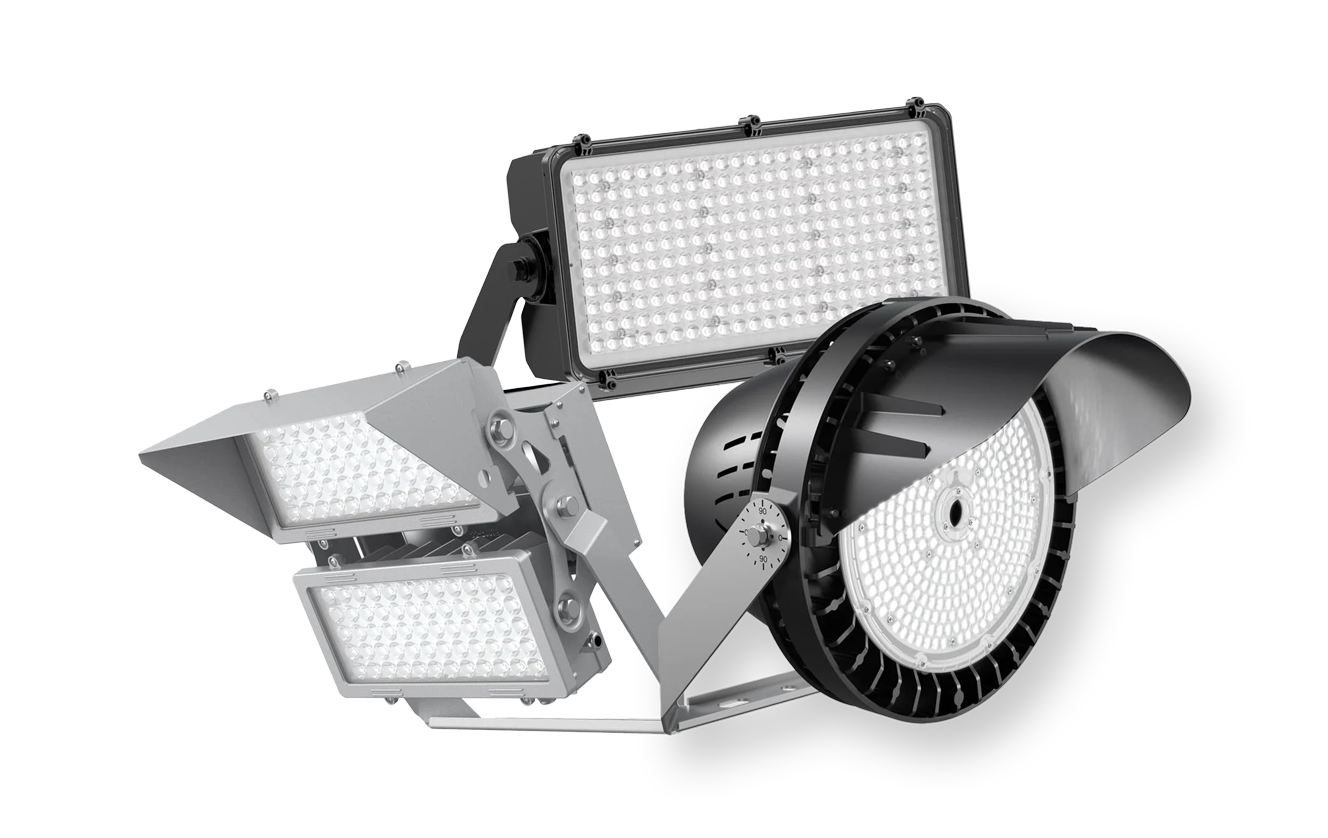
LED Stadium light fixtures are powerful, pole-mounted fixtures engineered for large outdoor venues requiring precise illumination control. Unlike basic flood lighting, these advanced systems utilize narrow beam optics to target specific sections of playing surfaces with pinpoint accuracy. Power ranges from 200 to 1200 watts, delivering between 28,000 and 180,000 lumens for comprehensive coverage of athletic facilities. Beam angle selection determines coverage patterns and light uniformity across your venue.
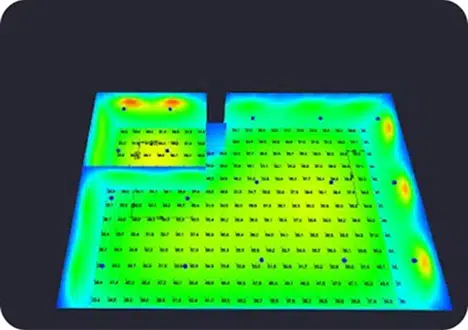
Our fixtures operate on 100-277V or 277-480V input, with drivers automatically adjusting to your building's electrical system. From baseball diamonds to football stadiums, these specialized fixtures replace outdated metal halide lamps while delivering superior performance and dramatically reduced operating costs. Professional lighting plans eliminate guesswork in fixture selection and placement. We analyze your venue's dimensions, sport requirements, and performance standards to create customized layouts. Our photometric analysis ensures optimal light distribution while minimizing glare and light spill into surrounding areas.
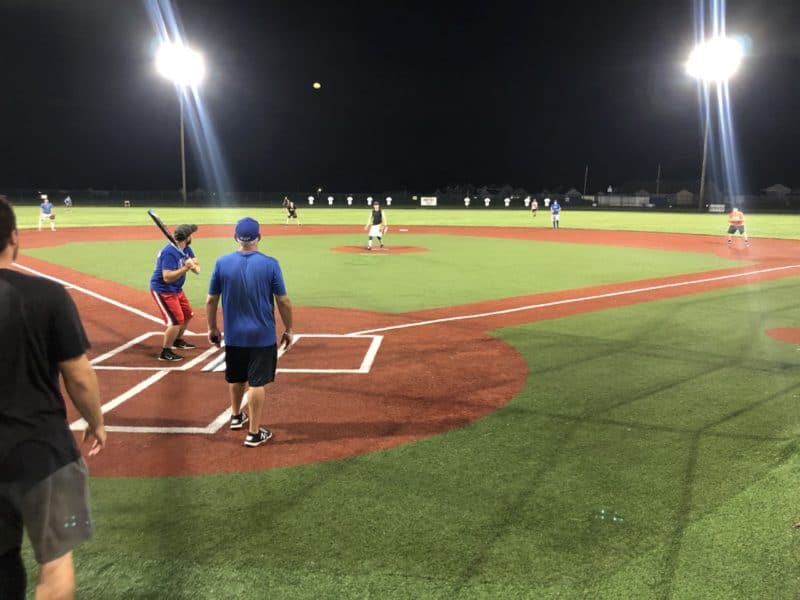
Our customer wanted to save money and have brighter lighting. Our 400 Watt LED Area Flood Stadium Light | 56000 Lumens easily replaced 1000 Watt Metal Halides 1 for 1.
What are the Benefits of Using LED Sports Lighting Fixtures?
Metal halide replacement drives most stadium lighting upgrades, delivering immediate operational improvements.
| Energy Reduction | Your facility will cut power consumption by up to 75 percent compared to metal halide systems. This translates to thousands of dollars saved annually on your electric bill. The U.S. Department of Energy confirms that LED technology provides significant energy savings over traditional metal halide and high-pressure sodium lighting systems commonly used in sports facilities. Their solid-state lighting program demonstrates how LED fixtures can reduce energy consumption by 50-75% while providing superior light quality and maintenance benefits for large-scale sports and recreational applications. |
| Instant Operation | Lights reach full brightness immediately when switched on. No more warm-up time before games can begin. |
| Minimal Maintenance | With 50,000+ hour lifespans, you’ll replace bulbs once per decade instead of annually. This drastically reduces maintenance costs and eliminates disruptions during events. |
| Superior Light Quality | Consistent 5000K color temperature improves visibility for players and spectators. Enhanced color rendering index meets broadcast television standards for professional events. |
| Weather Resistance | IP65 waterproof ratings and IK08 impact resistance handle everything from driving rain to impacts from baseballs and footballs. The weather won’t compromise your lighting investment. |
| Glare Management | Precision optics focus light where needed while reducing glare that blinds athletes. Players can track fly balls and passes without being blinded by fixtures. |
| Installation Flexibility | Remote drivers mount at the pole base for easy access during maintenance. Technicians service electrical components without the need for expensive lift equipment. |
| Dimming Capability | 0-10V dimming adjusts light levels for practices versus games. Reduce energy costs during off-peak training sessions while maintaining full brightness for competitions. |
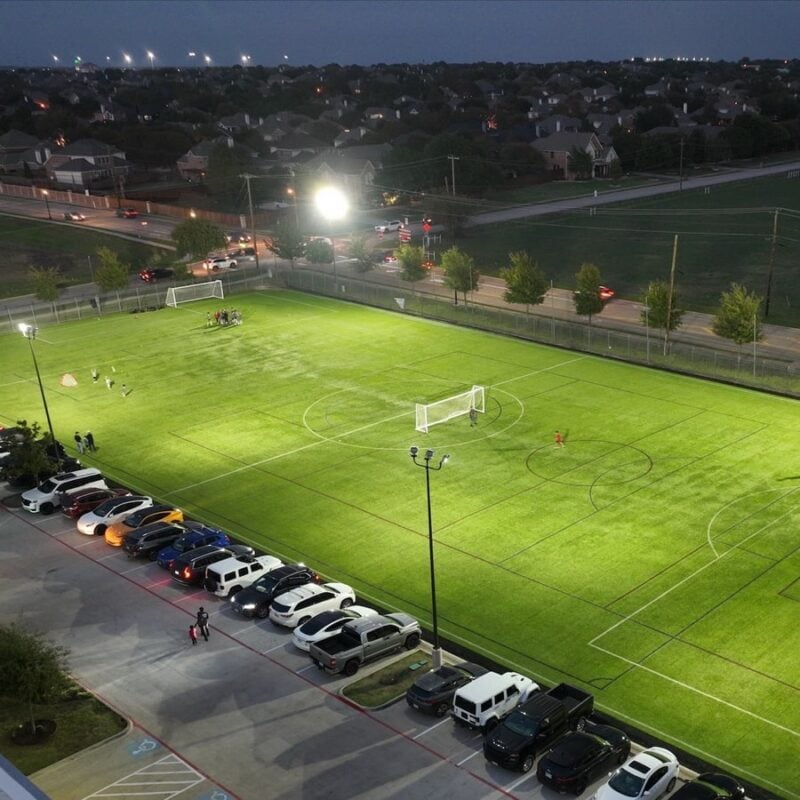
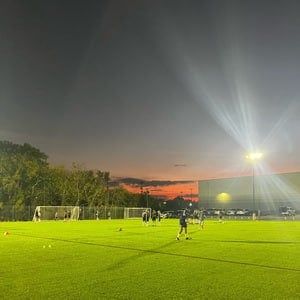
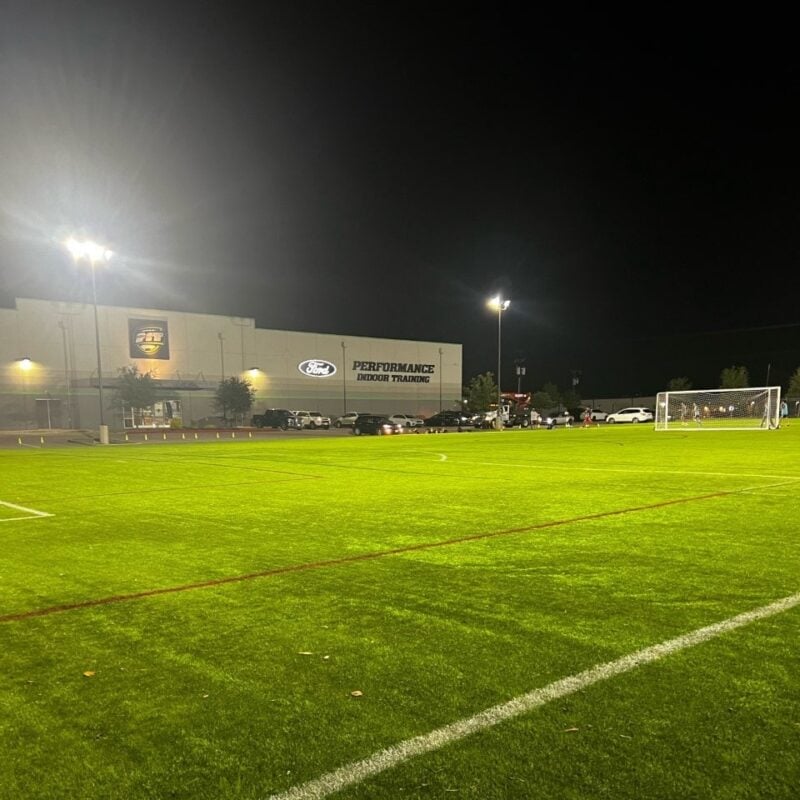
We lit this soccer field in Texas with our 1000 W LED Replacement Lights
What are the Best Applications for LED Sports Lighting?
| Baseball / Softball | Benefit from precise infield illumination and glare-free sightlines for fly balls. Mount fixtures at 30+ feet for optimal coverage without player obstruction. |
| Football stadiums | Require higher pole mounting and broadcast-quality illumination. Wide beam angles ensure sideline coverage while narrow beams target the main playing field. |
| Soccer pitches | Need corner-mounted fixtures to avoid interference with play. 30–50 foot-candles provide adequate recreational lighting, while professional stadiums require higher levels. |
| Field hockey / Lacrosse | Field hockey venues demand glare-free lighting for ground-level visibility. Mounting heights of 30 ft or higher perform best. Lacrosse requires similar lighting, but IK10-rated fixtures near goal areas help withstand impacts. |
| Cricket grounds | Require specialized boundary lighting with asymmetric beam patterns. Central wicket illumination must meet ICC professional match standards. |
| Track & Field complexes | Benefit from zone-specific lighting controls for field events versus track activities. Individual circuit switching maximizes efficiency during single-event training. |
| Multi-sport fields | Need versatile lighting adaptable to different field configurations. 0–10V dimming supports brightness adjustments for various sports and practice sessions. |
| Motor racing circuits | Require high-lumen fixtures with vibration resistance and uniform illumination through turns. IP66 ratings withstand harsh weather and debris. |
| Training & practice facilities | Benefit from lower light levels and motion sensor integration. 20–30 foot-candles reduce operating costs while maintaining safe practice conditions. |
| Professional sports venues | Demand broadcast-quality lighting with 125+ foot-candles and precise uniformity ratios. Consistent color temperature is critical for television production. |
| Municipal recreation complexes | Need durable, low-maintenance fixtures. Remote driver mounting simplifies servicing without specialized lift equipment. |
| Equestrian & rodeo arenas | Require glare-free lighting that won’t spook animals. 4000K color temperature provides calm, comfortable illumination. |
| Large outdoor stadiums | Benefit from dimming capability and zone control for concerts and events. Fixture positioning should accommodate temporary staging and equipment. |
IES Sports Lighting Guidance: The Illuminating Engineering Society provides comprehensive guidance for sports lighting applications. Their lighting standards and recommended practices outline illumination requirements, uniformity ratios, and glare control standards for optimal visibility and safety.
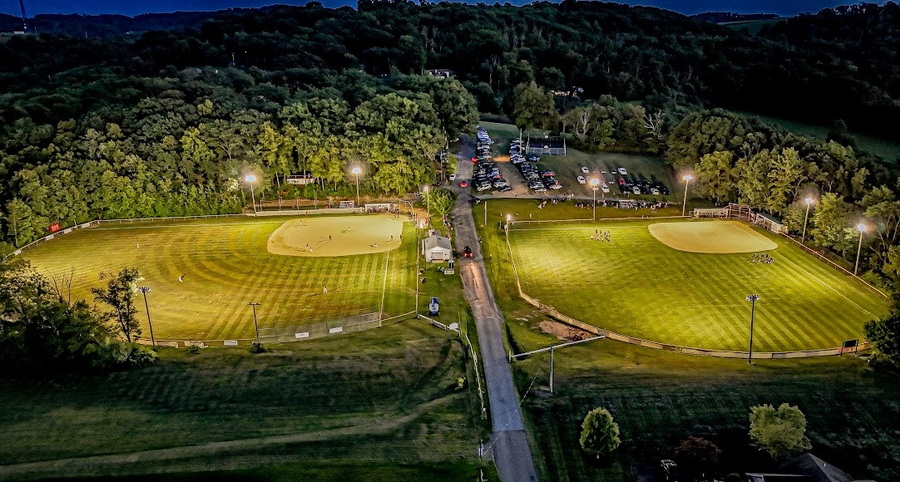
We helped light up these baseball and softball fields with our high-performance LED sports lights
How Many Lights Do I Need?
Fixture quantity depends on achieving target illumination levels measured in foot-candles rather than simply counting lights. Professional baseball requires 50-100 foot-candles on the infield, while recreational softball may only need 20-30 foot-candles.
Broadcast television events demand even higher levels, often exceeding 125 foot-candles with specific uniformity ratios. Proper lighting design balances multiple factors: pole height and placement, beam angles, fixture wattage, and sport-specific requirements.
Our lighting plans calculate precise fixture quantities and positioning to achieve uniform lighting while minimizing glare and maintaining consistent light levels across the entire playing surface.
We typically recommend starting with a professional photometric analysis rather than estimating fixture counts, as improper planning often results in over-lighting some areas while leaving others inadequately illuminated.
How Do I Choose the Right Amount of LED Lumens and the Right Optic to Light a Sports Facility?
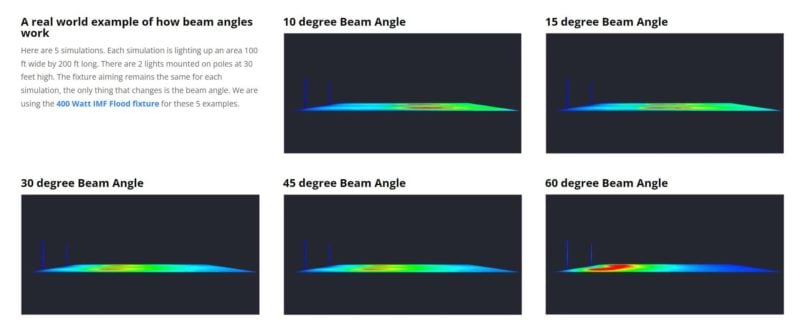
Successful stadium lighting requires professional photometric analysis rather than trial-and-error selection. Beam control selection varies dramatically based on mounting height and coverage requirements.
15-degree narrow beams work well for high-mounted fixtures targeting distant playing surfaces, while 60-degree wide beams suit lower installations requiring broader coverage patterns.
Our complimentary lighting design service eliminates guesswork through computer modeling and photometric calculations. We analyze your venue's dimensions, mounting locations, and performance requirements to specify exact lumen outputs and optical packages. This approach ensures compliance with industry standards while optimizing energy efficiency and minimizing light pollution.
How Much Time Does It Take to Install LED Stadium Lighting?
Installation timelines vary significantly based on mounting accessibility and existing infrastructure. Ground-level installations or stadium catwalks allow faster access, while high pole-mounted fixtures require specialized lift equipment and additional safety protocols. Most professional installations range from several days for smaller facilities to 2-3 weeks for major stadium retrofits.
Existing electrical infrastructure impacts project duration and costs. Older facilities may require electrical upgrades to handle new circuit configurations, while modern venues often accommodate direct fixture replacement. We recommend coordinating installation during off-season periods to minimize disruption to scheduled events and allow thorough testing before critical games or competitions.
Saving Money with LED Light Fixtures
600W LED vs 1500W Metal Halide Replacement (with ballast)
Assumptions: Based on 6 hours/day, 200 days/year at $0.15/kWh
| Metal Halide (1725W) | Annual Energy Cost: $310.50 5 Year Energy Cost: $1552.50 5 Year Savings: $0.00 |
| LED UFO Fixture (600W) | Annual Energy Cost: $108.00 5 Year Energy Cost: $540.00 5 Year Savings: $40500.00 |
| Savings & Payback | Single Fixture Annual Savings: $202.50 40 Fixture Annual Savings: $8100 ROI Timeline: Under 41 months |
| Performance Summary | Energy Reduction: 65% 5-Year ROI: 5804% Lamp Life: 50,000+ (LED) vs 15,000 (MH) |
Safety and Performance Certifications
All our fixtures carry essential certifications, including DLC Premium, UL Listed, and ETL Listed approvals. These certifications ensure safety, performance, and energy efficiency while qualifying your project for utility rebates and tax incentives. DLC Premium certification guarantees the highest efficiency standards and maximum rebate eligibility.
The Design Lights Consortium (DLC) establishes rigorous energy efficiency standards for commercial LED lighting products, while DLC Premium qualification ensures maximum utility rebate eligibility. Additionally, UL safety testing and certification provide independent verification that fixtures meet strict electrical safety, fire resistance, and performance standards required for commercial sports lighting installations.



Warranty and Warranty Support
All our lights come with at least a 5-year warranty, and all warranty support is based in the USA. We take customer support seriously, and helping you with a warranty claim is important to us. Our experienced support team understands the importance of keeping your lighting operational and will work quickly to resolve any warranty issues.
Need Help? Talk to an LED Stadium Light Expert.
Stadium lighting selection requires balancing multiple technical factors, including illumination levels, uniformity requirements, glare control, and energy efficiency goals. Our sales engineers specialize in sports lighting applications and understand Illuminating Engineering Society (IES) standards for different sports and competition levels. We analyze your specific requirements and provide detailed recommendations that ensure optimal visibility for both athletes and spectators. Broadcast television events require specialized lighting considerations, including higher illumination levels, specific color temperature requirements, and enhanced uniformity ratios. Contact our experts to discuss your venue's needs and receive a customized lighting solution that meets both current requirements and future expansion plans.
Common Mistakes and How to Avoid Them
Stadium lighting projects go wrong when people buy fixtures like they're shopping for warehouse floods. The optics, mounting heights, and power requirements are completely different animals, and you'll know real quick if you get it wrong.
- Mounting fixtures too low creates blinding glare for outfielders and quarterbacks trying to track the ball. Get your poles at least 30 feet high, 40-50 for football stadiums.
- Using wide flood beam angles on high-mounted fixtures wastes light and creates hot spots. Narrow beams throw farther and give you better control over where the light lands.
- Skipping the photometric plan and just counting fixtures leads to dark zones and complaints within a month. Pay for the lighting design upfront or you'll pay twice as much fixing it later.
- Installing integrated driver fixtures on 60-foot poles means bringing a bucket truck every time a driver fails. Remote drivers mount at the base where you can actually reach them.
- Ignoring your electrical capacity when switching from metal halide to LED can trip breakers or damage equipment. LED inrush current behaves differently than HID startup loads.
- Buying residential-grade floods for sports applications gets you maybe two seasons before weather and impacts destroy them. Stadium fixtures need IP65 and IK08 ratings minimum.
- Not considering light trespass and neighbor complaints before installation can shut down your project with code enforcement. Use cutoff shields and asymmetric optics to keep light on your property.
- Installing single-circuit switching for multi-sport fields means you can't adjust lighting for different activities. Wire separate zones so you can dim for practice or light specific areas.
Commercial LED Stadium and Sports Lighting Frequently Asked Questions
What Wattage LED Stadium Lights Replace Metal Halide Fixtures?
A 400-watt LED stadium light directly replaces a 1000-watt metal halide fixture, delivering equal or superior illumination while reducing energy consumption by 65%. For smaller applications, 200-300 watt LED lamps effectively replace 750-watt metal halides. The key factor is lumen output rather than wattage comparison-our LED fixtures produce 140+ lumens per watt compared to metal halide's 80-90 lumens per watt efficiency.
How Long Do LED Stadium Lights Last Compared to Metal Halide?
LED stadium lights operate for 50,000+ hours compared to 15,000 hours for metal halide systems. This translates to approximately 10 years of operation versus 3-4 years for traditional lighting. Longer lifespan eliminates the frequent relamping cycles that disrupt venue operations and require expensive lift equipment for high-mounted fixtures.
What Light Levels Are Required for Different Sports?
Recreational baseball and softball require 20-30 foot-candles on playing surfaces, while competitive leagues need 50-100 foot-candles. Professional venues and broadcast television events demand 125+ foot-candles with specific uniformity ratios. Soccer fields typically require 30-50 foot-candles, while football stadiums need higher levels ranging from 50-150 foot-candles depending on competition level and broadcast requirements.
Do LED Stadium Lights Work in Extreme Weather?
Professional LED stadium lights feature IP65 waterproof ratings and operate reliably in temperatures from -40°F to 140°F. Unlike metal halides, LEDs perform better in cold weather and reach full brightness instantly regardless of ambient temperature. IK08 impact resistance protects against hail, wind-blown debris, and direct ball impacts from sporting activities.
Can LED Stadium Lights Be Dimmed for Practice Sessions?
Most professional LED stadium lights include 0-10V dimming capability that adjusts from 10-100% brightness. This allows venues to reduce utility costs during practice sessions while maintaining full illumination for games and competitions. Individual circuit control enables zone-specific lighting for multi-purpose facilities, maximizing efficiency when only portions of the venue are in use.
How High Should Stadium Light Poles Be Mounted?
Minimum mounting height is 30 feet for most outdoor sports fields to minimize glare and achieve proper light distribution. Football stadiums typically require 60-80 feet mounting heights, while baseball fields work well with 40-60 feet poles. Proper height prevents light obstruction during play and ensures uniform coverage across the entire playing area without creating harsh shadows.
What Beam Angles Work Best for Stadium Lighting?
15-degree narrow beams target specific field areas from high-mounted fixtures, while 60-degree wide beams provide broader coverage for lower installations. Most stadium applications use Type 3 or Type 5 optics to achieve rectangular coverage patterns that match field dimensions. Professional photometric analysis determines optimal beam angle combinations to eliminate dark spots and minimize light spill into surrounding areas.
Do LED Stadium Lights Qualify for Utility Rebates?
DLC Premium certified LED stadium lights qualify for substantial utility rebates, often covering 20-50% of fixture costs. Energy savings of 65-75% compared to metal halide systems make these upgrades highly attractive to utility companies. We assist with rebate applications and provide the necessary documentation including photometric reports and energy calculations required for program qualification.
Why Choose LED Lighting Supply for Stadium Lighting Projects?
Our 15+ years of commercial lighting expertise and 25,000+ completed projects provide the technical knowledge needed for complex stadium installations. We provide complimentary photometric analysis and lighting design services that eliminate guesswork in fixture selection and placement. Our consultative approach goes beyond product sales-we analyze your venue's specific requirements, ensure compliance with outdoor sports fields lighting standards, and deliver turnkey solutions that maximize performance while minimizing long-term operating costs.
What Maintenance Is Required for LED Stadium Lights?
LED stadium lights require virtually no maintenance for the first 5-7 years of operation due to their 50,000+ hour lifespan. Remote driver mounting at pole bases allows electrical component servicing without expensive lift equipment. Annual cleaning of fixture lenses maintains optimal light output, while quarterly visual inspections ensure mounting hardware remains secure in harsh environments.
How Do LED Stadium Lights Handle Broadcast Television Requirements?
Professional LED stadium lights maintain consistent 5000K color temperature and achieve the high illumination levels required for broadcast television. Advanced driver technology eliminates flicker that interferes with high-speed cameras, while precision optics deliver the uniformity ratios specified by broadcasting standards. Enhanced color rendering improves on-camera appearance for both players and field conditions.