


LED Lights for Hospitals
By LED Lighting Supply
- Achieve 50-90% energy savings with 100,000+ hour lifespan
- Mercury-free construction eliminates toxic disposal and safety risks
- UL Listed and DLC Premium certified for healthcare compliance


-
 Commercial-Grade Lighting Design Ensuring Optimal Illumination for Patient Care Areas
-
Precise FootCandle Calculations & Color Temperature Specifications Meeting Healthcare Standards
-
Reduce Operating Costs While Improving Patient Outcomes & Staff Performance


Showing 1–12 of 14 results
 SKU:LLS-AL-BLP-2X2-20/25/30-CC-4P | Web ID:2299Availability:2558 In StockShips 2-3 Days
- Watts: 20 | 25 | 30
- Lumens: 2500 | 3125 | 3750
- Lumens/Watt: 125
- Replaces: Fluorescent Troffer
- Color Temp: 3500K | 4000K | 5000K
- CRI: 80+
- Voltage: 100V-277V
- Operating Temp: -4°F to 122°F (-20°C to 50°C)
- Rated Life: 50,000 (L70) hours
- Dimmable: 0-10V
- Beam Angle (Std): 110°
- Optics: Polycarbonate Lens
- Fixture Color: White
- Mount: Recessed | Surface
- Dimensions: 23.75 in X 23.75 in X 1.25 in
- Weight: 4.5 lbs
Starting At$188.83

 SKU:LLS-AL-BLP-2X2-30A-CC-EM-2P | Web ID:2036Availability:3004 In StockShips 2-3 Days
- Watts: 20 | 25 | 30
- Lumens: 2500 | 3125 | 3750
- Lumens/Watt: 125
- Replaces: Fluorescent Troffer
- Color Temp: 3500K | 4000K | 5000K
- CRI: 80+
- Voltage: 100V-277V
- Operating Temp: -4°F to 122°F (-20°C to 50°C)
- Rated Life: 100,000 (L70) hours
- Dimmable: 1-10V
- Beam Angle (Std): 110°
- Optics: Polycarbonate Lens
- Fixture Color: White
- Mount: Chain-Cable | Recessed
- Dimensions: 23.8 in X 23.8 in X 2.5 in
- Weight: 6.8 lbs
Starting At$268.36 SKU:LLS-AL-BLP-2X2-20/25/30-CC-MS2P | Web ID:2357Availability:1028 In StockShips 2-3 Days
- Watts: 20 | 25 | 30
- Lumens: 2500 | 3125 | 3750
- Lumens/Watt: 125
- Replaces: Fluorescent Troffer
- Color Temp: 3500K | 4000K | 5000K
- CRI: 80+
- Voltage: 100V-277V
- Operating Temp: -4°F to 122°F (-20°C to 50°C)
- Rated Life: 50,000 (L70) hours
- Dimmable: 0-10V
- Beam Angle (Std): 110°
- Optics: Polycarbonate Lens
- Fixture Color: White
- Mount: Recessed | Surface
- Dimensions: 23.75 in X 23.75 in X 1.25 in
- Weight: 4.5 lbs
Starting At$134.04 SKU:LLS-AL-BLP-2X4-25/30/40-CC-4P | Web ID:2352Availability:10709 In StockShips 2-3 Days
- Watts: 25 | 30 | 40
- Lumens: 3250 | 3900 | 5200
- Lumens/Watt: 130
- Replaces: Fluorescent Troffer
- Color Temp: 3500K | 4000K | 5000K
- CRI: 80+
- Voltage: 100V-277V
- Operating Temp: -4°F to 122°F (-20°C to 50°C)
- Rated Life: 150,000 (L70) hours
- Dimmable: 0-10V
- Beam Angle (Std): 140°
- Fixture Color: White
- Mount: Chain-Cable | Recessed | Surface
- Dimensions: 23.75 in X 47.75 in X 2.25 in
- Weight: 8 lbs
Starting At$272.21 SKU:LLS-AL-BLP-2X4-40A-CC-EM-2P | Web ID:1824Availability:4416 In StockShips 2-3 Days
- Watts: 25 | 30 | 40
- Lumens: 3250 | 3900 | 5200
- Lumens/Watt: 130
- Replaces: Fluorescent Troffer
- Color Temp: 3500K | 4000K | 5000K
- CRI: 80+
- Voltage: 100V-277V
- Operating Temp: -4°F to 122°F (-20°C to 50°C)
- Rated Life: 150,000 (L70) hours
- Dimmable: 0-10V
- Beam Angle (Std): 140°
- Optics: Polycarbonate Lens
- Fixture Color: White
- Mount: Chain-Cable | Recessed | Surface
- Dimensions: 23.75 in X 47.75 in X 2.25 in
- Weight: 8.8 lbs
Starting At$331.58 SKU:LLS-AL-BLP-2X4-25/30/40-CC-MS2P | Web ID:2356Availability:403 In StockShips 2-3 Days
- Watts: 25 | 30 | 40
- Lumens: 3250 | 3900 | 5200
- Lumens/Watt: 130
- Replaces: Fluorescent Troffer
- Color Temp: 3500K | 4000K | 5000K
- CRI: 80+
- Voltage: 100V-277V
- Operating Temp: -4°F to 122°F (-20°C to 50°C)
- Rated Life: 150,000 (L70) hours
- Dimmable: 0-10V
- Beam Angle (Std): 140°
- Optics: Polycarbonate Lens
- Fixture Color: White
- Mount: Chain-Cable | Recessed | Surface
- Dimensions: 23.75 in X 47.75 in X 2.25 in
- Weight: 8 lbs
Starting At$175.50 SKU:MLLG-AL-LED-PANBLH-2X4-40-40 | Web ID:1710Availability:1488 In StockShips 2-3 Days
- Watts: 40
- Lumens: 5558
- Lumens/Watt: 139
- Replaces: Fluorescent Troffer
- Color Temp: 4000K
- CRI: 80+
- Voltage: 100V-277V
- Operating Temp: -14°F to +104°F
- Rated Life: 50,000 (L70) hours
- Dimmable: 1-10V
- Beam Angle (Std): 140°
- Optics: Polycarbonate Lens
- Fixture Color: White
- Mount: Chain-Cable | Recessed | Surface
- Dimensions: 23.75 in X 47.75 in X 1.25 in
- Weight: 9 lbs
Starting At$55.38 SKU:MLLG-WD-LED-PANBLH-1X4-30-CC | Web ID:2479Availability:417 In StockShips 3-5 Days
- Watts: 20 | 25 | 30
- Lumens: 2760 | 3250 | 3900
- Lumens/Watt: 130
- Replaces: 32 Watt Fluorescent
- Color Temp: 3500K | 4000K | 5000K
- CRI: 80+
- IP Rating: IP40
- Voltage: 100V-277V
- Operating Temp: -4°F to 122°F (-20°C to 50°C)
- Rated Life: 70,000 hours
- Dimmable: 0-10V
- Beam Angle (Std): 110°
- Optics: Polycarbonate Lens
- Fixture Color: White
- Mount: Chain-Cable | Recessed | Surface
- Dimensions: 11 7/8 in X 47 3/4 in X 1 3/4 in
- Weight: 12 lbs
Starting At$100.00 SKU:MLLG-WD-LED-PANTH-2X2-WC-CC | Web ID:1980Out of Stock
- Watts: 20 | 25 | 30
- Lumens: 2500 | 3125 | 3750
- Lumens/Watt: 125
- Replaces: Fluorescent Troffer
- Color Temp: 3500K | 4000K | 5000K
- CRI: 80+
- Voltage: 100V-277V
- Operating Temp: -14°F to +104°F
- Rated Life: 70,000 hours
- Dimmable: 1-10V
- Beam Angle (Std): 120°
- Optics: Polycarbonate Lens
- Fixture Color: White
- Mount: Recessed
- Dimensions: 23.75 in x 23.75 in x 3.1 in
- Weight: 11.4 lbs
Starting At$96.23 SKU:MLLG-WD-LED-PANTH-2X4-WC-CC | Web ID:1981Availability:960 In StockShips 3-5 Days
- Watts: 34 | 38 | 45
- Lumens: 4250 | 4758 | 5715
- Lumens/Watt: 125
- Replaces: Fluorescent Troffer
- Color Temp: 3500K | 4000K | 5000K
- CRI: 80+
- Voltage: 100V-277V
- Operating Temp: -14°F to +104°F
- Rated Life: 70,000 hours
- Dimmable: 1-10V
- Beam Angle (Std): 120°
- Optics: Polycarbonate Lens
- Fixture Color: White
- Mount: Recessed
- Dimensions: 23.75 in x 47.75 in
- Weight: 11.4 lbs
Starting At$137.74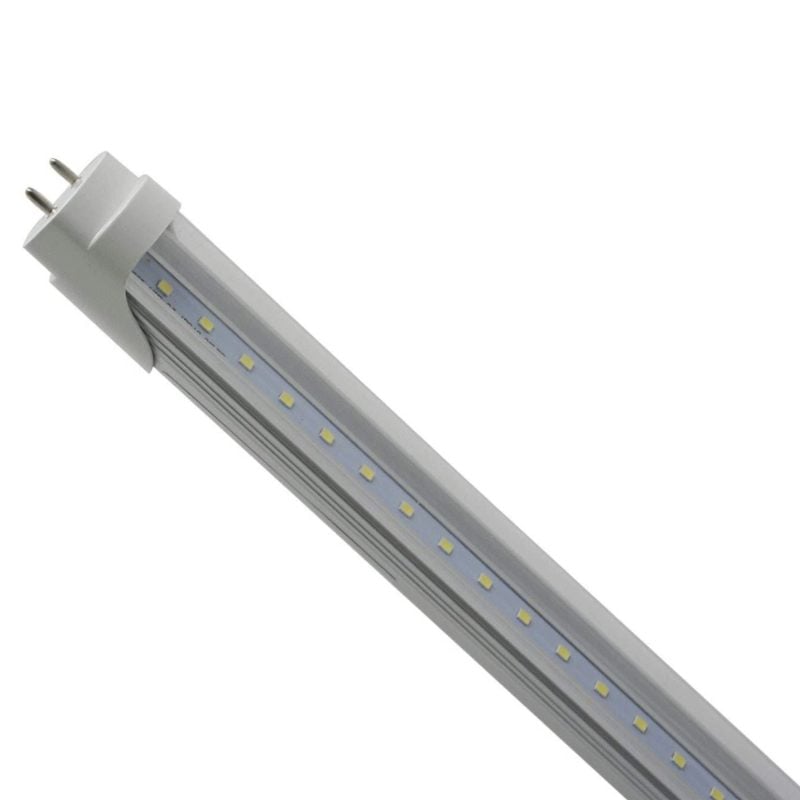 SKU:LLS-LN-4FT-T8-18-5-C-25P | Web ID:2652Availability:111 In StockShips 3-5 Days
- Watts: 18
- Lumens: 2160
- Lumens/Watt: 120
- Replaces: 32 Watt Fluorescent
- Color Temp: 5000K
- CRI: 80+
- Voltage: 100V-277V
- Operating Temp: -4°F to +113°F
- Rated Life: 50,000 hours
- Dimmable: No
- Beam Angle (Std): 140°
- Base: Bi-Pin
- Dimensions: 4 ft
- Weight: 1 lb
Starting At$250.00
 SKU:LLS-LN-8FT-T8-36-5-F-25P | Web ID:2654Availability:500 In StockShips 3-5 Days
- Watts: 36
- Lumens: 4320
- Lumens/Watt: 120
- Replaces: 8ft Fluorescent
- Color Temp: 5000K
- CRI: 80+
- Voltage: 100V-277V
- Operating Temp: -4°F to +113°F
- Rated Life: 50,000 hours
- Dimmable: No
- Beam Angle (Std): 120°
- Optics: Frosted Lens
- Base: FA8 Single Pin
- Dimensions: 8 ft
- Weight: 3 lbs
Starting At$877.66
What are the LED Lights You Will Find in a Hospital and Healthcare Facility?
Hospital lighting requirements differ significantly from standard commercial applications. After 17 years designing lighting systems for healthcare facilities, We have found that while exterior lighting matches typical commercial standards, interior spaces demand specialized solutions that support both patient care and staff productivity.
| Lobby | 2x4 LED panels at 40–50 watts provide bright, welcoming illumination. Magnetic retrofit strips allow fast fluorescent upgrades without rewiring. |
| Patient Room Lighting | Over-bed linear fixtures with dimming capability and LED panels delivering 90+ CRI ensure accurate color rendering for examinations. |
| Corridor Lighting | 4000K LED panels support alertness during night shifts. LED tubes provide seamless fluorescent replacement. |
| Ward Lighting | Ceiling-mounted LED panels with 0-10V dimming allow medical staff to tailor brightness based on patient needs and time of day. |
| Kitchens | NSF-rated fixtures comply with food safety standards, while vapor-tight models withstand high humidity and wash-down environments. |
| Color Adjustable LED Fixtures | Tunable white flush-mounted ceiling lights adjust from 3000K to 6500K to support circadian rhythms and enhance patient recovery. |
Healthcare lighting design requires careful consideration of multiple factors beyond simple illumination. The U.S. Department of Energy's healthcare lighting guidance emphasizes that proper color temperature selection and high color rendering are critical for accurate medical diagnosis and patient well-being.
The Benefits of Using LED Lighting in a Hospital and Other Medical Facilities
Healthcare facilities benefit tremendously from LED technology compared to outdated HID and fluorescent systems. Based on our extensive experience with commercial retrofits, here's why LEDs consistently outperform traditional lighting:
| Energy Efficiency | Most of our hospital clients achieve 50–90% energy reductions after switching to LEDs. A typical 200-bed facility saves $40,000–$80,000 annually on electricity costs. |
| High-Quality Lighting | Medical accuracy requires true color visibility. Our fixtures deliver 90+ CRI, revealing accurate skin tones and tissue colors crucial for diagnostics. |
| Reduced Maintenance Costs | L70 ratings over 100,000 hours provide decade-long, maintenance-free operation, eliminating disruptive bulb changes in patient care areas. |
| Occupancy Sensors | Integrated microwave sensors automatically adjust light levels based on room usage, reducing energy consumption by an additional 20–40%. |
| Instant On | LEDs reach full brightness in milliseconds, providing immediate visibility during emergencies-unlike fluorescents that require warm-up time. |
| Quiet Operation | Silent drivers (<20 dB) eliminate ballast hum, creating calmer healing environments that support patient rest. |
| Flicker-Free | IEEE 1789-compliant drivers eliminate flicker that causes eye strain during lengthy procedures and detailed lab work. |
| No Mercury | Zero mercury content removes hazmat disposal requirements and eliminates toxic exposure risks for staff and patients. |
| No UV Emissions | LEDs emit zero UV radiation, protecting sensitive medical equipment and preventing material degradation in storage areas. |
The energy efficiency benefits of LEDs in healthcare facilities are well-documented. According to the U.S. Department of Energy, LED lights can reduce energy consumption by 75% or more compared to fluorescent and metal halide systems, while lasting 25 times longer. This extended lifespan is particularly valuable in healthcare environments where maintenance disruptions can interfere with critical patient care activities.

Why LED Fixtures are Better than Fluorescent Lighting for Healthcare Facilities
The choice is clear when you examine performance differences. Fluorescent systems create multiple problems in healthcare settings: constant humming disrupts patient rest, visible strobing triggers migraines in sensitive individuals, and mercury content poses disposal hazards.
LED technology eliminates every one of these issues. Silent operation supports healing environments, while consistent light output prevents eye fatigue during critical procedures. Most importantly, the mercury-free construction protects your staff and patients from toxic exposure while simplifying waste disposal protocols.
What are Ideal Lighting Levels for Hospitals and Healthcare Facilities?
Proper illumination varies dramatically across hospital zones. We typically design lighting systems based on these industry-standard footcandle requirements:
| Lobby Area | 15–20 fc |
| Waiting Area (General) | 20–30 fc |
| Patient Ward Rooms (Observation) | 30 fc |
| Medical Laboratory | 50 fc |
| Operating Room | 300–1000 fc |
| Critical Care Areas (Examination) | 50 fc |
When planning your installation, remember that dimming capability allows a single fixture type to serve multiple functions. We often recommend 60-watt panels with 0-10V dimming in patient rooms, providing both bright task lighting for examinations and gentle ambient lighting for recovery periods.
Professional lighting design for healthcare facilities requires adherence to established guidelines. The Illuminating Engineering Society (IES) Recommended Practice for Healthcare Facilities (RP-29) provides detailed illumination requirements for all areas within medical facilities, ensuring both patient safety and optimal working conditions for healthcare professionals.
Safety and Performance Certifications
All our fixtures carry essential certifications, including DLC Premium, UL Listed, and ETL Listed approvals. These certifications ensure safety, performance, and energy efficiency while qualifying your project for utility rebates and tax incentives. DLC Premium certification guarantees the highest efficiency standards and maximum rebate eligibility.
Third-party certifications are crucial for healthcare lighting installations. UL (Underwriters Laboratories) testing and certification ensure electrical safety and performance standards are met, while DesignLights Consortium (DLC) qualification verifies energy efficiency performance and enables utility rebate eligibility for qualifying LED products.


Warranty and Warranty Support
All our lights come with at least a 5-year warranty, and all warranty support is based in the USA. We take customer support seriously, and helping you with a warranty claim is important to us. Our experienced support team understands the importance of keeping your lighting operational and will work quickly to resolve any warranty issues.
Expert Support for Your Hospital Lighting Project
Our lighting specialists bring decades of commercial facility experience to ensure your project succeeds. We provide complimentary custom lighting plans that factor in your facility's specific layouts, ceiling heights, and department requirements. Our team calculates precise energy savings projections for your existing fixtures, showing exactly how much you'll save annually after switching to LED. When you call us, you speak directly with product specialists who understand healthcare compliance standards and can recommend fixtures that meet your exact footcandle requirements. This expertise means you avoid costly specification errors and get the right fixtures for each application the first time.
LED Lights for Hospitals Frequently Asked Questions
What Types of LED Lights Are Required for Different Hospital Areas?
Hospital lighting requirements vary significantly by department and function. 2x4 LED panels at 40-50 watts work well in lobbies and general areas, while patient rooms need over-bed linear fixtures with dimming capability and 90+ CRI for accurate medical examinations. Corridors typically use 4000K panels to maintain staff alertness during night shifts, and food service areas require NSF-rated fixtures for safety compliance.
How Much Energy Can Hospitals Save by Switching to LED Lighting?
Healthcare facilities typically achieve 50-90 percent energy reductions when upgrading from fluorescent and HID systems to LEDs . A typical 200-bed facility saves $40,000-80,000 annually on electricity costs after LED conversion. Adding occupancy sensors can reduce energy consumption by an additional 20-40 percent in low-traffic areas like storage rooms and patient bathrooms.
What CRI Rating Do Hospital LED Lights Need for Medical Accuracy?
Medical facilities require CRI values above 90 to ensure accurate color rendering for patient examinations and diagnoses. This high CRI rating reveals true skin tones and tissue colors that are critical for proper medical assessments. Standard commercial fixtures with CRI ratings of 80-85 are insufficient for healthcare applications where color accuracy can impact patient care decisions.
What Are the Required Lighting Levels for Different Hospital Departments?
Hospital lighting levels vary dramatically by function and safety requirements. Lobby areas need 15-20 footcandles, patient ward rooms require 30 footcandles for observation, and medical laboratories need 50 footcandles for detailed work. Operating rooms demand the highest levels at 300-1000 footcandles depending on the specific procedure being performed.
Why Are Flicker-Free LED Drivers Important in Healthcare Settings?
IEEE 1789 compliant drivers eliminate imperceptible flicker that causes eye strain and fatigue during lengthy surgical procedures and detailed laboratory work. Standard drivers can produce flicker frequencies that trigger headaches in sensitive patients and reduce staff concentration during critical tasks. Flicker-free operation is essential in areas where medical professionals perform precision work for extended periods.
How Do LED Fixtures Support Patient Circadian Rhythms?
Tunable white LED fixtures can shift from 3000K to 6500K throughout the day to support natural circadian rhythms and improve patient recovery outcomes. Cooler color temperatures during morning hours promote alertness, while warmer temperatures in the evening help prepare patients for rest. This technology is particularly beneficial in patient rooms, psychiatric wards, and long-term care facilities.
What Maintenance Savings Do Hospitals Achieve with LED Lighting?
LED fixtures with L70 ratings exceeding 100,000 hours operate maintenance-free for over a decade, eliminating disruptive bulb changes in patient care areas. This translates to significant labor cost savings and reduces the risk of contamination from maintenance activities in sterile environments. Traditional fluorescent systems require bulb replacement every 2-3 years, creating ongoing disruption and expense.
What Safety Certifications Are Required for Hospital LED Fixtures?
Hospital LED fixtures must carry UL Listed and ETL Listed certifications to meet safety and electrical codes. DLC Premium certification ensures maximum energy efficiency and qualifies facilities for utility rebates. Food service areas additionally require NSF-rated fixtures to meet health department regulations and prevent contamination risks.
How Do LED Lights Eliminate Mercury Hazards in Healthcare Facilities?
LED fixtures contain zero mercury content, eliminating hazmat disposal requirements and toxic exposure risks that come with fluorescent tube breakage. This protects both staff and patients from harmful mercury vapor while simplifying waste disposal protocols. Fluorescent systems pose ongoing contamination risks when tubes break during maintenance or disposal.
Why Should Healthcare Facilities Choose LED Lighting Supply for Their Projects?
We bring 15+ years of commercial lighting expertise and experience from 25,000+ completed projects to ensure your healthcare facility gets properly specified fixtures for each application. Our team provides complimentary custom lighting plans that factor in your facility's specific department requirements, ceiling heights, and footcandle compliance needs. We calculate precise energy savings projections for your existing systems and recommend fixtures that meet healthcare codes the first time.
What Technical Support Does LED Lighting Supply Provide for Hospital Projects?
Our lighting specialists provide direct technical guidance beyond just selling products, helping you avoid costly specification errors common in healthcare applications. We understand healthcare compliance standards and can recommend the right fixture types for each department's specific requirements. When you call, you speak directly with product experts who calculate exact footcandle outputs and ensure your fixtures meet medical facility lighting codes.
How Long Are LED Hospital Fixtures Covered Under Warranty?
All our LED fixtures come with at least a 5-year warranty backed by USA-based support teams who understand the critical nature of hospital lighting systems. Our experienced warranty team works quickly to resolve any issues and minimize downtime in patient care areas. This comprehensive coverage protects your investment and ensures continuous operation in critical healthcare environments.