


LED Lights for Class 2 Division 1 Hazardous Locations
By LED Lighting Supply
- 17 years expertise ensuring UL844 compliant C2D1 lighting solutions
- Dual-certified fixtures work across Class 1 and Class 2 applications
- 5-year warranty with USA-based technical support and warranty service


-
 Hazardous Location Layout Compliance with Class 2 Division 1 Safety Codes
-
Explosion-Proof Fixture Selection & Spacing Calculations for Combustible Dust Environments
-
Ensure Safety Compliance While Reducing Insurance Liability & Regulatory Violations


Showing 1–12 of 26 results
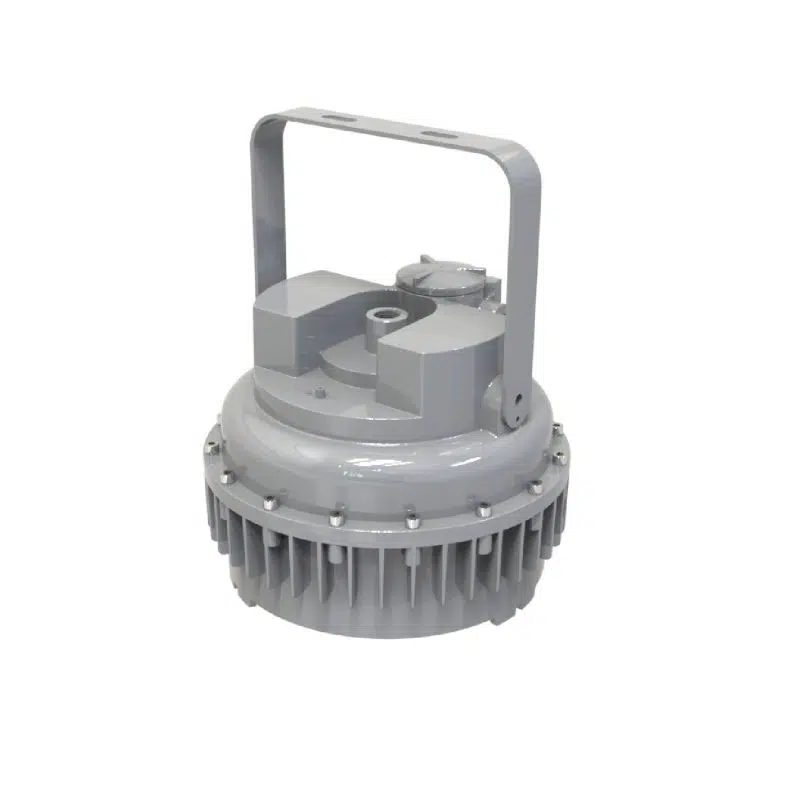 SKU:MLLG-E-EXPLS1-80-50-[V]-C1D1 | Web ID:2665100V-277V:24 In StockShips 3-5 Days277V-480V:Built to Order 6 Weeks
- Watts: 80
- Lumens: 11200
- Lumens/Watt: 140
- Replaces: 250 Watt Metal Halide
- Color Temp: 5000K
- CRI: 70+
- IP Rating: IP66
- IK Rating: IK08
- Voltage: 100V-277V | 277V-480V
- Surge Protection: 10kV
- Operating Temp: -40°F to 140°F (-40°C to 60°C)
- Rated Life: 150,000 (L70) hours
- Beam Angle (Std): 120°
- Optics: Tempered Glass Lens
- Fixture Color: Gray
- Mount: Yoke | 3/4 in NPT Pendant
- Dimensions: 9 X 11 in D
- Weight: 20.9 lbs
Starting At$594.12


- SKU:MLLG-E-EXPLS2-150-50-C1D1 | Web ID:2660Availability:46 In StockShips 3-5 Days
- Watts: 150
- Lumens: 21000
- Lumens/Watt: 140
- Replaces: 400 Watt Metal Halide
- Color Temp: 5000K
- CRI: 70+
- IP Rating: IP66
- IK Rating: IK08
- Voltage: 100V-277V
- Surge Protection: 10kV
- Operating Temp: -40°F to 140°F (-40°C to 60°C)
- Rated Life: 150,000 (L70) hours
- Beam Angle (Std): 120°
- Optics: Tempered Glass Lens
- Fixture Color: Gray
- Mount: Yoke | 3/4 in NPT Pendant
- Dimensions: 11.2 X 13.5 in D
- Weight: 45.3 lbs
Starting At$835.45  SKU:LLS-EXPLC-50-5-C1D1 | Web ID:2313Back in Stock 12/10
- Watts: 50
- Lumens: 7000
- Lumens/Watt: 140
- Replaces: 250 Watt Metal Halide
- Color Temp: 5000K
- CRI: 70+
- IP Rating: IP66
- IK Rating: IK10
- Voltage: 100V-277V
- Surge Protection: 6kV
- Operating Temp: -40°F to 149°F
- Rated Life: 150,000 (L70) hours
- Dimmable: 1-10V
- Beam Angle (Std): 120°
- Optics: Tempered Glass Lens
- Fixture Color: Gray
- Mount: Pendant | Surface | Wall | Trunnion
- Dimensions: 13.7 X 11.2 in
- Cord Length: No Cord
- Weight: 20 lbs
Starting At$572.20
- SKU:LLS-EXPLC-70-5-C1D1 | Web ID:2314Back in Stock 12/10
- Watts: 70
- Lumens: 9800
- Lumens/Watt: 140
- Replaces: 250 Watt Metal Halide
- Color Temp: 5000K
- CRI: 70+
- IP Rating: IP66
- IK Rating: IK10
- Voltage: 100V-277V
- Surge Protection: 10kV
- Operating Temp: -40°F to 149°F
- Rated Life: 150,000 (L70) hours
- Dimmable: 1-10V
- Beam Angle (Std): 120°
- Optics: Tempered Glass Lens
- Fixture Color: Gray
- Mount: Pendant | Surface | Wall | Trunnion
- Dimensions: 13.7 in H x 11.2 in D
- Cord Length: No Cord
- Weight: 20 lbs
Starting At$593.60  SKU:MLLG-E-LED-EXPLC-60-50-[V]-C1D1 | Web ID:1745100V-277V:1 In StockShips 2-3 Days277V-480V:Built to Order 6 Weeks
- Watts: 60
- Lumens: 8400
- Lumens/Watt: 140
- Replaces: 250 Watt Metal Halide
- Color Temp: 5000K
- CRI: 70+
- IP Rating: IP66
- IK Rating: IK10
- Voltage: 100V-277V | 277V-480V
- Surge Protection: 10kV
- Operating Temp: -40°F to 140°F (-40°C to 60°C)
- Rated Life: 50,000 (L70) hours
- Dimmable: 1-10V
- Beam Angle (Std): 120°
- Optics: Tempered Glass Lens
- Fixture Color: Gray
- Mount: Yoke | 3/4 in NPT Pendant
- Dimensions: 16 in D x 13.5 in H
- Weight: 39 lbs
Starting At$592.59
- SKU:MLLG-E-LED-EXPLC-80-50-[V]-C1D1 | Web ID:1746100V-277V:227 In StockShips 3-5 Days277V-480V:Built to Order 6 Weeks
- Watts: 80
- Lumens: 11200
- Lumens/Watt: 140
- Replaces: 250 Watt Metal Halide
- Color Temp: 5000K
- CRI: 70+
- IP Rating: IP66
- IK Rating: IK10
- Voltage: 100V-277V | 277V-480V
- Surge Protection: 10kV
- Operating Temp: -40°F to 140°F (-40°C to 60°C)
- Rated Life: 50,000 (L70) hours
- Dimmable: 1-10V
- Beam Angle (Std): 120°
- Optics: Tempered Glass Lens
- Fixture Color: Gray
- Mount: Yoke | 3/4 in NPT Pendant
- Dimensions: 16 in D x 13.5 in H
- Weight: 39 lbs
Starting At$648.15  SKU:MLLG-E-LED-EXPLC-100-50-[V]-C1D1 | Web ID:1747100V-277V:169 In StockShips 3-5 Days277V-480V:Built to Order 6 Weeks
- Watts: 100
- Lumens: 14000
- Lumens/Watt: 140
- Replaces: 250 Watt Metal Halide
- Color Temp: 5000K
- CRI: 70+
- IP Rating: IP66
- IK Rating: IK10
- Voltage: 100V-277V | 277V-480V
- Surge Protection: 10kV
- Operating Temp: -40°F to 140°F (-40°C to 60°C)
- Rated Life: 50,000 (L70) hours
- Dimmable: 1-10V
- Beam Angle (Std): 120°
- Optics: Tempered Glass Lens
- Fixture Color: Gray
- Mount: Yoke | 3/4 in NPT Pendant
- Dimensions: 16 X 13.5 in
- Weight: 39 lbs
Starting At$797.10- SKU:MLLG-E-LED-EXPLC-150-50-[V]-C1D1 | Web ID:1777100V-277V:256 In StockShips 3-5 Days277V-480V:40 In StockShips 3-5 Days
- Watts: 150
- Lumens: 21000
- Lumens/Watt: 140
- Replaces: 400 Watt Metal Halide
- Color Temp: 5000K
- CRI: 70+
- IP Rating: IP66
- IK Rating: IK10
- Voltage: 100V-277V | 277V-480V
- Surge Protection: 10kV
- Operating Temp: -40°F to 140°F (-40°C to 60°C)
- Rated Life: 50,000 (L70) hours
- Dimmable: 1-10V
- Beam Angle (Std): 120°
- Optics: Tempered Glass Lens
- Fixture Color: Gray
- Mount: Yoke | 3/4 in NPT Pendant
- Dimensions: 16 X 13.5 in
- Weight: 39 lbs
Starting At$911.82 - SKU:MLLG-E-LED-EXPLC-200-50-[V]-C1D1 | Web ID:2175100V-277V:4 In StockShips 3-5 Days277V-480V:Built to Order 6 Weeks
- Watts: 200
- Lumens: 28000
- Lumens/Watt: 140
- Replaces: 400 Watt Metal Halide
- Color Temp: 5000K
- CRI: 70+
- IP Rating: IP66
- IK Rating: IK10
- Voltage: 100V-277V | 277V-480V
- Surge Protection: 10kV
- Operating Temp: -40°F to 140°F (-40°C to 60°C)
- Rated Life: 50,000 (L70) hours
- Dimmable: 1-10V
- Beam Angle (Std): 120°
- Optics: Tempered Glass Lens
- Housing: C
- Fixture Color: Gray
- Mount: Yoke | 3/4 in NPT Pendant
- Dimensions: 16 x 13.5 in
- Weight: 39 lbs
Starting At$1,095.64 - SKU:MLLG-E-LED-EXPLC-250-50-[V]-C1D1 | Web ID:1858100V-277V:164 In StockShips 3-5 Days277V-480V:Built to Order 6 Weeks
- Watts: 250
- Lumens: 35000
- Lumens/Watt: 140
- Replaces: 400 Watt Metal Halide
- Color Temp: 5000K
- CRI: 70+
- IP Rating: IP66
- IK Rating: IK10
- Voltage: 100V-277V | 277V-480V
- Surge Protection: 10kV
- Operating Temp: -40°F to 140°F (-40°C to 60°C)
- Rated Life: 50,000 (L70) hours
- Dimmable: 1-10V
- Beam Angle (Std): 120°
- Optics: Tempered Glass Lens
- Fixture Color: Gray
- Mount: Yoke | 3/4 in NPT Pendant
- Dimensions: 16 in D x 13.5 in H
- Weight: 39 lbs
Starting At$1,127.27  SKU:MLLG-E-LED-EXPLD-60-50-C1D1 | Web ID:1734Availability:19 In StockShips 3-5 Days
- Watts: 60
- Lumens: 8100
- Lumens/Watt: 135
- Replaces: 250 Watt Metal Halide
- Color Temp: 5000K
- CRI: 70+
- IP Rating: IP66
- IK Rating: IK10
- Voltage: 100V-277V
- Surge Protection: 10kV
- Operating Temp: -40°F to 149°F
- Rated Life: 50,000 (L70) hours
- Dimmable: No
- Beam Angle (Std): 120°
- Beam Angle (Opt): 40° | 60° | 90°
- Optics: Tempered Glass Lens
- Fixture Color: Gray
- Mount: Yoke | 3/4 in NPT Pendant
- Dimensions: 11.6 X 11.6 X 9.57 in
- Weight: 27 lbs
Starting At$727.27- SKU:MLLG-E-LED-EXPLD-80-50-[V]-C1D1 | Web ID:1280100V-277V:22 In StockShips 3-5 Days277V-480V:Built to Order 6 Weeks
- Watts: 80
- Lumens: 11200
- Lumens/Watt: 140
- Replaces: 250 Watt Metal Halide
- Color Temp: 5000K
- CRI: 70+
- IP Rating: IP66
- IK Rating: IK10
- Voltage: 100V-277V | 277V-480V
- Surge Protection: 10kV
- Operating Temp: -40°F to 140°F (-40°C to 60°C)
- Rated Life: 50,000 (L70) hours
- Dimmable: 0-10V
- Beam Angle (Std): 120°
- Beam Angle (Opt): 40° | 60° | 90°
- Optics: Tempered Glass Lens
- Fixture Color: Gray
- Mount: Yoke | 3/4 in NPT Pendant
- Dimensions: 11.6 X 11.6 X 9.57 in
- Weight: 27 lbs
Starting At$763.64
What is LED Class 2 Div 1 Lighting?
Class 2 Division 1, or C2D1, represents one of the most stringent hazardous location ratings in industrial lighting. Based on our 17 years of experience in commercial lighting, we've seen these fixtures deployed in environments where ignitable concentrations of dust, fibers, or flyings are always present during normal operations. Unlike Class 1 ratings that address gases, vapors, and liquids, Class 2 Division 1 specifically targets combustible particulate hazards that pose continuous ignition risks.
OSHA's workplace safety standards emphasize the critical importance of proper lighting in hazardous locations to prevent ignition sources. The OSHA electrical safety standards require that all electrical equipment in classified locations be suitable for the specific hazardous conditions present, ensuring worker safety and regulatory compliance.
Will Class 1 Division 1 Certified Light Work in a Class 2 Division 1 Environment?
Most of our Class 1 Division 1 rated fixtures carry dual certification for both Class 1 and Class 2 Division 1 applications, specifically covering Groups E, F, G. We typically recommend verifying the specific rating label on each fixture, but our C1D1 inventory generally handles C2D1 requirements without issue. This dual certification approach saves our customers from maintaining separate fixture inventories for different hazardous classifications.
Will Class 1 Division 2 Lighting Work in a Class 2 Division 1 Environment?
The answer varies by specific fixture model and group classification. Many fixtures in our Class 1 Division 2 lineup carry additional C2D1 certification, though this coverage typically extends only to Groups E, F, and G. When planning installations, we recommend confirming the exact rating requirements with your facility's electrical engineer, as mixing Division 1 and Division 2 requirements can create compliance gaps.
What are Groups E, F, and G Associated with our Class 2 Division 1 Light?
Group classifications define the specific types of combustible materials present in your work environment:
| Group E | Applies to environments containing combustible metal dusts such as aluminum, magnesium, titanium, and other commercial alloys commonly present in metalworking and manufacturing facilities. |
| Group F | Includes locations handling combustible carbon-based materials such as coal dust, charcoal powder, and carbon black used in industrial processing applications. |
| Group G | Covers all other combustible dusts not listed in Groups E or F, including wood flour, grain dust, sugar, flour, and plastic powders typical in food processing, agriculture, and woodworking operations. |
The National Electrical Code (NEC) provides comprehensive guidelines for hazardous location classifications and proper equipment selection. NFPA 70 (NEC) Article 500 establishes the fundamental requirements for electrical installations in hazardous locations, including the specific group classifications that determine appropriate equipment ratings for different combustible materials.
How Do I Know if Your Class 2 Division 2 LED Lighting is Certified and Compliant?
Every hazardous location fixture we supply undergoes rigorous testing under the UL844 standard, which establishes safety requirements for electrical equipment in hazardous locations. Each product specification clearly identifies the exact Classes, Divisions, and Groups covered by its certification. We also provide the complete UL listing information and certification numbers with every fixture shipment, ensuring your facility maintains proper documentation for safety inspections and insurance compliance.
Where Can I Find a List of Lights That are Rated for Class 2 Division 1?
Our hazardous location inventory offers multiple pathways to C2D1 compliance:
- Browse our complete Class 1 Division 1 lights collection, which includes dual C2D1 ratings.
- Explore our Class 1 Division 2 lights that carry additional C2D1 certification for Groups E, F, and G applications.

Safety and Performance Certifications
All our fixtures carry essential certifications including DLC Premium, UL Listed, and ETL Listed approvals. These certifications ensure safety, performance, and energy efficiency while qualifying your project for utility rebates and tax incentives. DLC Premium certification guarantees the highest efficiency standards and maximum rebate eligibility.
The DesignLights Consortium (DLC) maintains rigorous energy efficiency standards that help facilities maximize energy savings and rebate opportunities. DLC's Technical Requirements for LED luminaires ensure that certified products meet the highest performance criteria, providing reliable energy savings and long-term value for industrial lighting applications.


Warranty and Support
All our lights come with at least a 5-year warranty, and all warranty support is based in the USA. We take customer support seriously, and helping you with a warranty claim is important to us. Our experienced support team understands the importance of keeping your lighting operational and will work quickly to resolve any warranty issues.
Expert Specification Support for Hazardous Locations
Our product specialists bring deep expertise in hazardous location requirements gained from 17 years of serving industrial facilities. We provide complimentary custom lighting plans that ensure proper fixture placement and certification alignment for your specific Class 2 Division 1 environment. Our team calculates precise energy savings projections based on your current lighting setup and provides detailed photometric analysis to optimize both safety compliance and operational efficiency. This technical support eliminates guesswork and ensures your lighting upgrade meets all regulatory requirements while maximizing your return on investment.
Common Mistakes and How to Avoid Them
We see the same C2D1 specification errors repeated at facilities nationwide, usually discovered during the inspection phase when it costs real money to fix. Most of these problems come down to not understanding what your actual dust classification requires before ordering fixtures.
- Installing fixtures without verifying the specific Group certification required for your combustible material type. Check if you need Group E, F, or G rating before anything leaves the warehouse.
- Assuming all explosion proof fixtures work in dust applications. Class 1 gas ratings don't automatically cover Class 2 dust hazards.
- Mixing Division 1 and Division 2 equipment in the same classified zone. Inspectors will flag this every time.
- Skipping proper conduit sealing and grounding per NEC Article 502. Dust infiltration through electrical connections creates ignition sources.
- Ignoring temperature ratings for specific dust types. Aluminum dust needs different temp specs than grain dust.
- Mounting fixtures where dust accumulates on the lens without considering maintenance access. Plan for regular cleaning or your light output drops fast.
- Choosing lower IP ratings to save upfront costs. The extra cleaning and maintenance time costs more than the higher rated fixture.
- Installing without considering how your facility's dust collection system affects fixture placement. Dead air zones create heavier dust buildup.
LED Lights for Class 2 Division 1 Hazardous Locations Frequently Asked Questions
What Is Class 2 Division 1 LED Lighting Used For?
Class 2 Division 1 LED lighting addresses environments where combustible dust, fibers, or flyings are continuously present during normal operations. These fixtures handle facilities like grain processing plants, flour mills, coal handling operations, and metal dust environments where ignitable particulates create constant ignition risks. We've found these applications require the highest level of explosion-proof protection available for particulate hazards.
Can I Use Class 1 Division 1 Fixtures in Class 2 Division 1 Applications?
Most Class 1 Division 1 fixtures carry dual certification for both classifications, specifically covering Groups E, F, and G. We recommend verifying the rating label on each fixture, but our C1D1 inventory generally handles C2D1 requirements without requiring separate fixture inventories. This dual certification approach simplifies procurement and maintenance for facilities with multiple hazardous location types.
What's the Difference Between Class 2 Division 1 and Division 2 Lighting Requirements?
Division 1 environments contain combustible particulates during normal operations, while Division 2 locations only present these hazards during abnormal conditions like equipment failure or unusual operations. Class 2 Division 1 fixtures require more stringent explosion-proof construction and testing standards. Division 2 fixtures may work in Division 1 applications only if they carry specific dual certification for both ratings.
Which Group Classification Do I Need for My Class 2 Division 1 Environment?
Group E covers metal dusts including aluminum and magnesium, Group F handles carbon-based materials like coal dust, and Group G addresses all other combustible dusts including grain, flour, and plastic powders. Most industrial fixtures cover Groups E, F, and G simultaneously, but confirming your specific material classification ensures proper compliance with safety regulations.
How Much Energy Can I Save Switching to Class 2 Division 1 LED Lighting?
LED fixtures typically deliver 60-70% energy savings compared to metal halide or fluorescent hazardous location lighting. We've calculated maintenance cost reductions of $200-400 per fixture annually due to LEDs' 50,000+ hour lifespan versus traditional lamp replacement cycles. The combination of energy and maintenance savings often provides payback periods under 3 years for most industrial applications.
What Certifications Should I Look for in Class 2 Division 1 LED Fixtures?
All compliant fixtures must carry UL844 certification for hazardous locations along with specific Class, Division, and Group ratings. Look for additional certifications including DLC Premium for utility rebate eligibility, UL Listed for electrical safety, and appropriate IP ratings for environmental protection. We provide complete certification documentation with every fixture to support safety inspections and insurance requirements.
How Long Do Class 2 Division 1 LED Fixtures Last in Industrial Environments?
Quality LED fixtures typically operate for 50,000-100,000 hours in harsh industrial conditions, compared to 10,000-15,000 hours for metal halide lamps. We've observed that proper fixture selection and installation extend operational life significantly in dusty environments. Most fixtures include 5-year warranties with USA-based support to ensure long-term reliability and rapid resolution of any performance issues.
Can Class 2 Division 1 Fixtures Handle Washdown and High-Moisture Environments?
Many C2D1 fixtures carry IP65 or IP66 ratings for dust-tight and water-resistant operation, making them suitable for washdown applications. Food processing and pharmaceutical facilities often require both hazardous location and sanitary certifications. We recommend confirming both the explosion-proof rating and ingress protection level match your specific environmental conditions and cleaning protocols.
Why Do Electrical Contractors Choose LED Lighting Supply for Hazardous Location Projects?
Our 15+ years of commercial lighting expertise and 25,000+ completed projects provide contractors with technical guidance beyond product sales. We offer complimentary custom lighting plans, precise energy savings calculations, and detailed photometric analysis to ensure proper fixture placement and regulatory compliance. Our USA-based warranty support and deep understanding of hazardous location requirements eliminate project delays and specification errors.
What Technical Support Does LED Lighting Supply Provide for Class 2 Division 1 Installations?
We provide comprehensive lighting plans that ensure proper fixture certification alignment for your specific hazardous environment classification. Our product specialists calculate energy savings projections based on existing lighting setups and deliver photometric analysis for optimal safety compliance and operational efficiency. This consultative approach eliminates specification guesswork and maximizes return on investment for industrial lighting upgrades.
How Do I Verify My Class 2 Division 1 LED Fixtures Meet Code Requirements?
Each fixture includes complete UL listing information and certification numbers covering the specific Classes, Divisions, and Groups approved for your application. We provide all certification documentation with fixture shipments to support electrical inspections and insurance compliance. Proper documentation ensures your installation passes safety inspections and maintains facility insurance coverage without complications.